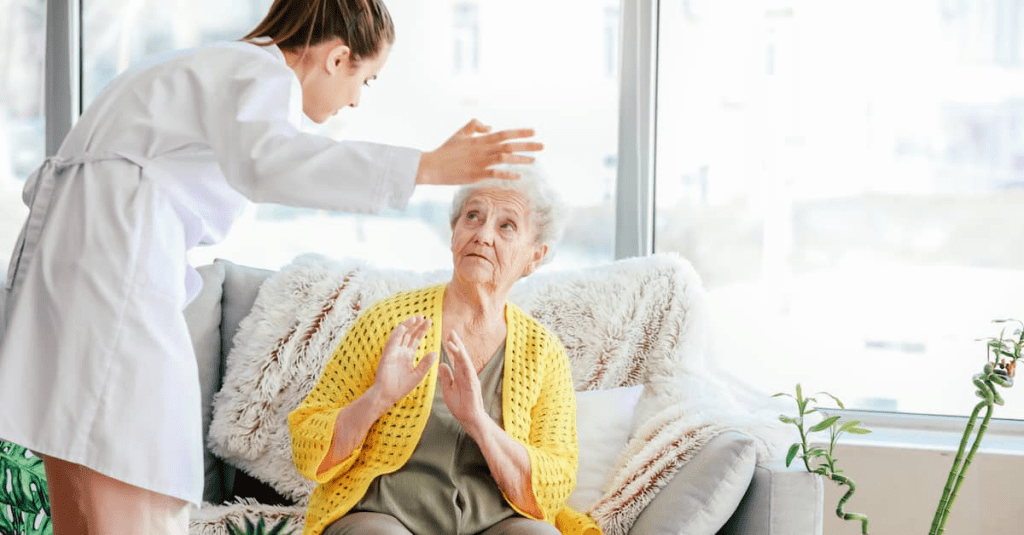
Nursing home abuse is unfortunately a Check this article serious issue that affects a significant number of elderly residents each year. While many nursing homes provide excellent care, some facilities fail to meet acceptable standards, putting residents at risk. Identifying the signs of abuse early can be crucial for preventing further harm to your loved one and ensuring their safety.
In this article, we’ll cover the most common signs of nursing home abuse, how to spot them, and what steps to take if you suspect your loved one is being mistreated.
1. Physical Signs of Abuse or Neglect
Physical signs are often the most obvious indicators of abuse or neglect. These signs may include bruises, burns, cuts, and unexplained injuries, but there are other subtler warning signs that could point to mistreatment. It’s essential to be vigilant and regularly monitor your loved one’s physical health.
- Unexplained Bruises, Cuts, or Injuries
If your loved one has frequent or unexplained bruises, cuts, or abrasions, it could be a sign of physical abuse. Pay attention to the location of the injuries—if they are on areas of the body that are often covered (like the inner thighs, wrists, or arms), this could suggest improper handling or physical punishment. - Unexplained Weight Loss or Malnutrition
Rapid and unexplained weight loss or signs of malnutrition are red flags for neglect. If your loved one’s meals are not being adequately prepared or if they are not receiving enough nourishment, it could result in malnutrition, dehydration, or even hunger-related injuries. - Poor Hygiene or Untreated Medical Conditions
If your loved one is not receiving basic care—such as regular bathing, hair grooming, or nail trimming—it could be a sign of neglect. Additionally, untreated medical conditions like bedsores, infections, or chronic illnesses that are not properly managed may also indicate a lack of proper care or attention. - Frequent Falls or Accidents
While accidents happen, repeated falls or injuries may indicate improper handling, lack of supervision, or unsafe living conditions. Frequent falls should be addressed immediately to ensure that your loved one is not at risk of further harm.
2. Emotional and Behavioral Changes
Abuse and neglect in nursing homes can cause significant emotional and psychological trauma for residents. These changes can be difficult to spot, especially for residents who may have limited communication abilities or cognitive impairments. However, there are a few key emotional and behavioral changes to watch for.
- Withdrawal or Fearfulness
If your loved one becomes suddenly withdrawn, fearful, or anxious, this could be a sign that they are experiencing emotional or physical abuse. They may show fear around certain caregivers or refuse to speak about certain individuals or situations. They may also become uncharacteristically quiet or avoid socializing with other residents. - Sudden Mood Swings
Unexpected mood swings or emotional outbursts can also be a sign of abuse. If your loved one suddenly becomes agitated, angry, or depressed without a clear cause, it may be due to mistreatment. Pay attention to how they respond to caregivers and whether there are any noticeable changes in their emotional state. - Fear of Being Left Alone or Certain Caregivers
If your loved one expresses fear of being left alone with a particular caregiver or refuses to interact with them, this could indicate that they are afraid of being harmed. This fear should not be dismissed and should be investigated immediately.
3. Sexual Abuse Indicators
Sexual abuse in nursing homes is a disturbing but real issue. It’s important to recognize any signs that may point to sexual abuse in order to take swift action.
- Unexplained Genital Injuries or Infections
Unexplained injuries, bruising, or bleeding around the genital area are significant red flags for sexual abuse. Additionally, if your loved one experiences sudden urinary tract infections (UTIs) or sexually transmitted infections (STIs), it may be worth investigating further, especially if they have not been exposed to these conditions before. - Behavioral Changes
A sudden change in behavior, such as becoming sexually inappropriate or displaying signs of extreme anxiety around certain individuals, could be an indicator of sexual abuse. If your loved one appears confused or has trouble communicating about their experiences, it’s crucial to investigate the cause of these changes.
4. Financial Abuse or Exploitation
Financial abuse is another common form of mistreatment in nursing homes. Elderly individuals are often vulnerable to exploitation due to cognitive decline or limited financial awareness. Family members should be vigilant about any sudden or unusual changes in their loved one’s finances.
- Sudden Withdrawals or Missing Funds
Keep an eye out for sudden, unexplained withdrawals from your loved one’s bank accounts or large sums of money being transferred without permission. If your loved one is unable to account for significant changes in their financial situation, this could indicate that their caregiver is exploiting them for personal gain. - Unusual Financial Transactions or Signatures
Be cautious if your loved one suddenly begins signing documents or checks without understanding them, or if there are transactions that you don’t recognize. It may be helpful to review your loved one’s financial statements regularly and look for any inconsistencies. - Unexplained Changes in Wills or Power of Attorney
If your loved one has suddenly changed their will or power of attorney in a way that seems out of character, it could be a sign that they are being manipulated or coerced. Be sure to discuss any significant changes with a legal professional to ensure that everything is legitimate.
5. How to Spot These Signs and Take Action
While recognizing the signs of abuse is essential, knowing what steps to take is equally important. If you suspect that your loved one is experiencing any form of abuse, follow these steps to protect them and ensure that their safety is prioritized.
- Document Everything
Keep a record of any unusual behavior, injuries, or changes in your loved one’s condition. Take photos of visible injuries or signs of neglect and keep detailed notes about what you have observed. Documentation can be crucial if you need to report the abuse or take legal action. - Speak to Your Loved One
If possible, have a direct conversation with your loved one about their experiences. Ask open-ended questions and reassure them that they can talk freely without fear of retribution. Sometimes, verbal abuse or mistreatment can be hidden, but speaking directly to the resident can help uncover what is happening. - Contact Nursing Home Management
If you suspect that abuse or neglect is occurring, contact the nursing home administration immediately. Request a meeting with the facility’s director or head nurse to discuss your concerns and request an investigation into the matter. - Report the Abuse
If the issue is not resolved through direct communication, you should report the abuse to the appropriate authorities:
State Department of Health: Most states have a department that oversees nursing homes. They can investigate allegations of abuse or neglect.
Elder Abuse Hotlines: Many states have elder abuse hotlines where you can report concerns.
Law Enforcement: If the abuse is severe, it may be necessary to contact law enforcement and file a report.
- Seek Legal Counsel
If abuse or neglect is confirmed, it may be necessary to seek legal advice. A lawyer specializing in nursing home abuse can guide you through the process of holding the facility accountable and seeking justice for your loved one.
Final Thoughts: Protecting Your Loved One from Abuse
Spotting the signs of nursing home abuse early can prevent further harm and help protect your loved one from mistreatment. It’s essential to be proactive and regularly visit your loved one, look for signs of abuse, and address concerns immediately. By staying vigilant, communicating with the facility, and seeking support when needed, you can help ensure that your loved one receives the care and dignity they deserve.
If you suspect abuse, remember that you are not alone—resources are available to help families navigate these difficult situations and ensure justice for victims of nursing home abuse.
 Site Title